Temperature is not just a setting. It is a dial that controls the character of your bread.
The organisms in your sourdough culture (wild yeast and lactic acid bacteria) are not a single species with a single preference. They are a community, and each member of that community responds differently to temperature.
Understanding this gives you genuine control over flavor, timing, and texture.
Why 78 F
Recipes converge on 75-78 F for one reason: it is the sweet spot where wild yeast and the most common lactic acid bacteria (Lactobacillus sanfranciscensis) are simultaneously active and reasonably matched in pace.
At this temperature, the dough builds gas (from yeast) and acid (from bacteria) in a ratio that produces balanced flavor: mild tang, open crumb, good oven spring.
Temperature is not a setting. It is a dial that controls the character of your bread.
Above 78 F: What Changes
As temperature rises, bacterial activity accelerates faster than yeast activity. The result is more acid production relative to gas production.
Your dough may still ferment in the expected time window, but the flavor will be sharper and more sour. Above 82-85 F, you also risk outrunning your timeline significantly; a dough that takes 5 hours at 76 F may complete bulk in under 3 hours at 84 F.
Above 90 F, yeast begins to be stressed. Above 95 F, you risk significant yeast die-off.
Practical use: If you want a more assertive sourdough flavor and are watching your dough closely, 80-82 F bulk fermentation is a legitimate technique.
Below 75 F: What Changes
Cooler temperatures slow both yeast and bacteria, but bacteria slow down less dramatically than yeast at moderate cold. Down to around 65 F, you generally get slower but still healthy fermentation.
The extended time at lower temperature allows more complex flavor development: more nuanced acidity, more depth.
Below 65 F, fermentation slows dramatically. Below 55 F, most sourdough yeast activity stops (which is why cold retard works).
Practical use: A 70 F bulk fermentation with a longer window produces bread with more developed flavor and often a more open crumb structure.
Temperature as a Tool
Once you have a reliable baseline with your starter at a controlled temperature, you can use temperature adjustments deliberately:
- Tighter schedule? Raise temperature 2-3 degrees to accelerate.
- Want more tang? Raise temperature slightly above your standard, or extend bulk at your standard temperature.
- Want milder flavor? Lower temperature 2-3 degrees, allow longer bulk.
- Delayed bake? Cold retard the shaped loaf overnight.
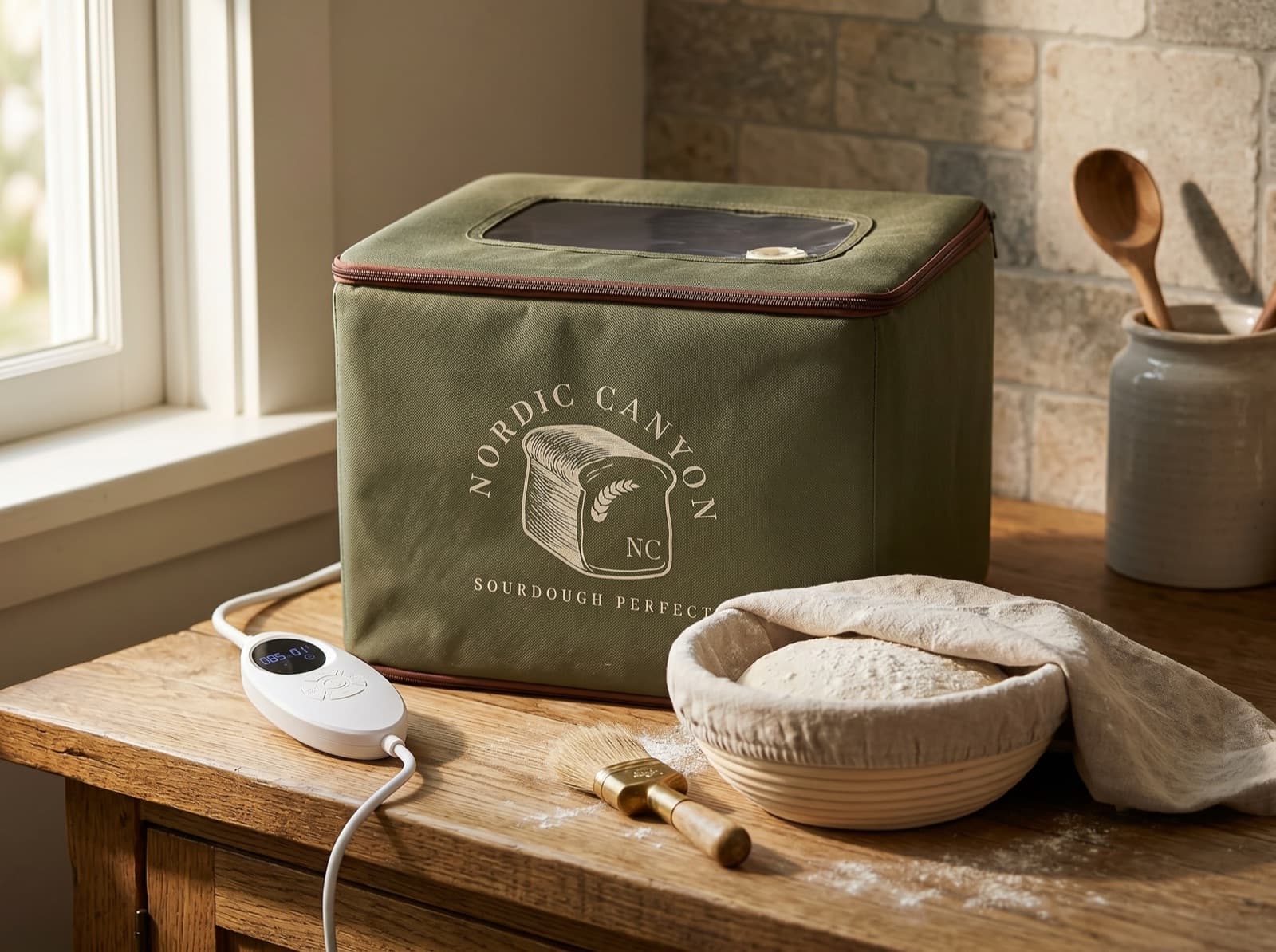
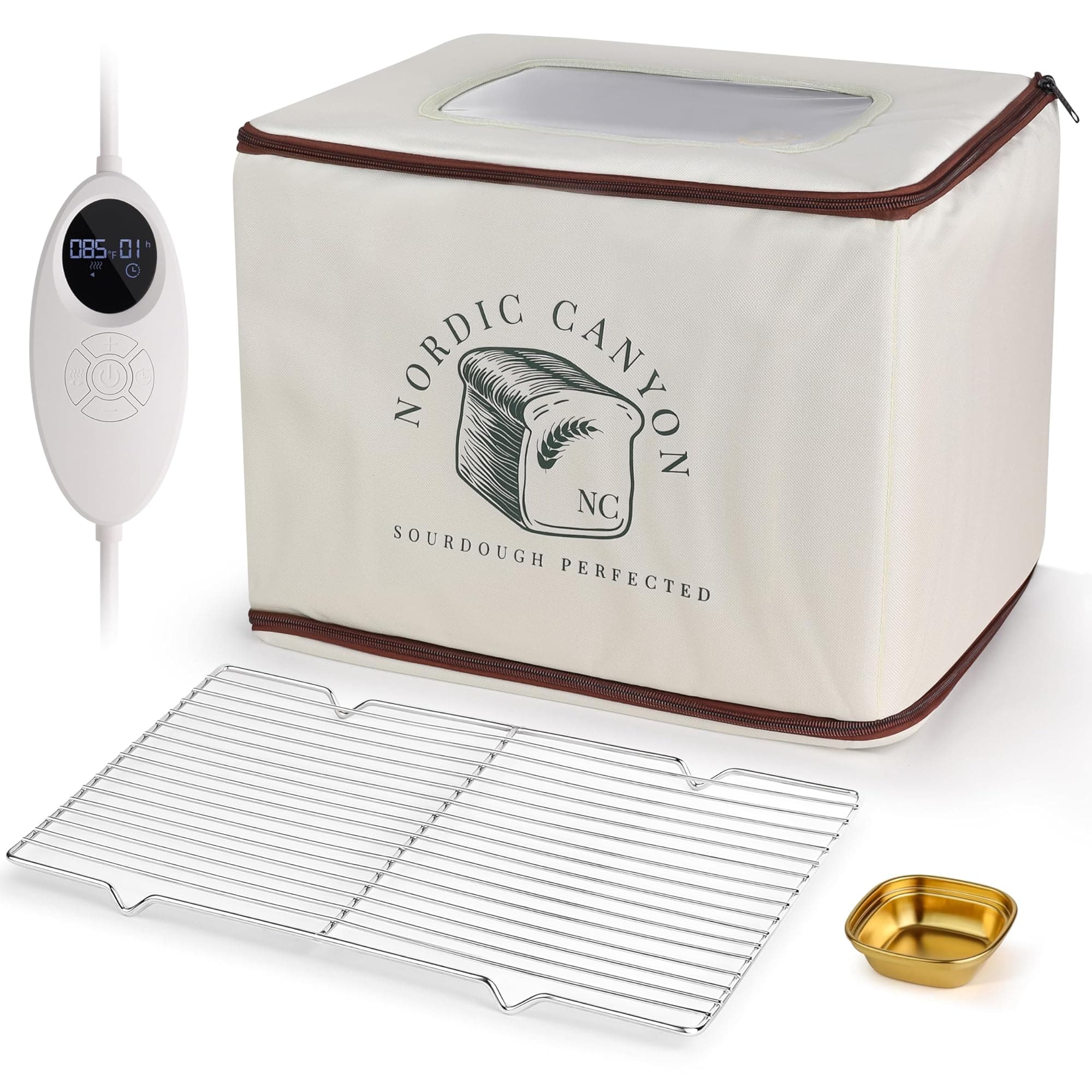
The Nordic Canyon proofing box gives you 1-degree precision across the entire proofing range. Use it.